The New Generation of Eyelash Extensions: Healthier, Safer, and Fully Customized
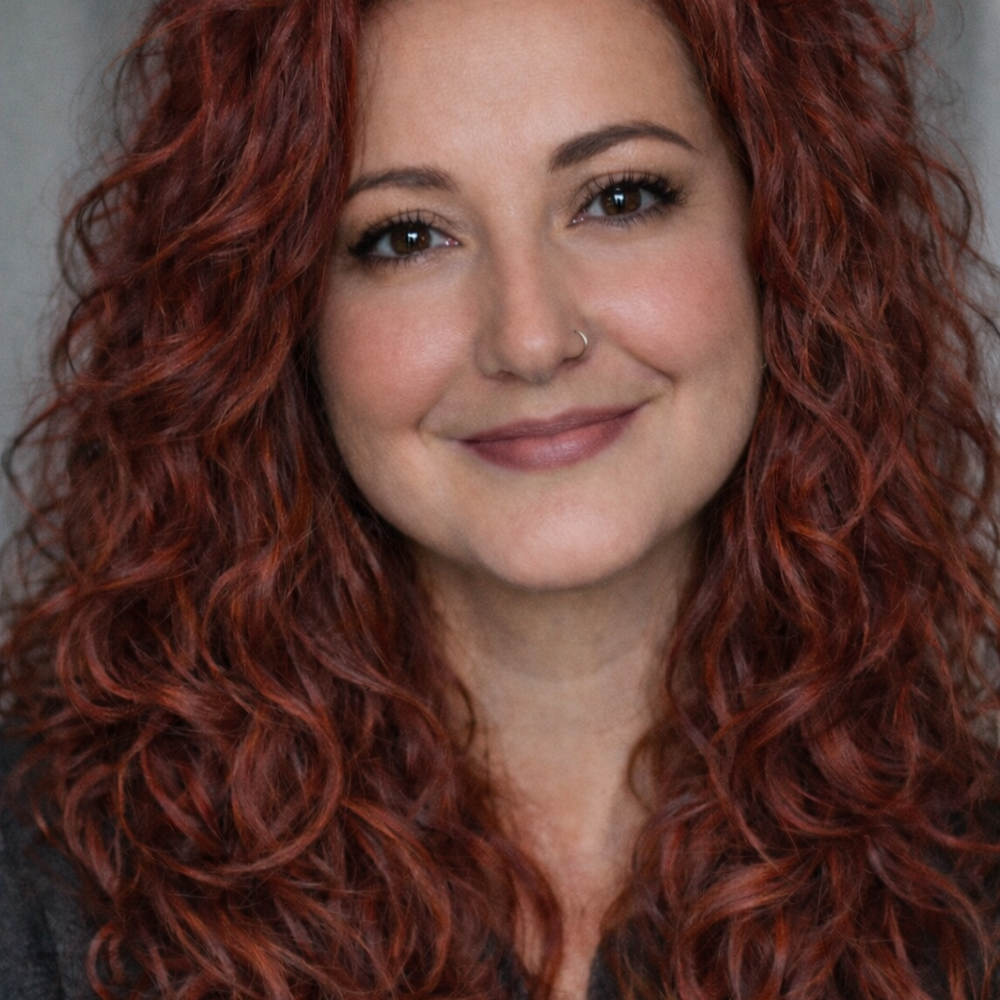
Eyelash extensions used to have a reputation for being heavy, dramatic, and hard on natural lashes. Some sets looked beautiful at first but felt uncomfortable, shed quickly, or left clients worried about damage.
That is changing.
The new generation of eyelash extensions is built around a better idea: lashes should look good, feel good, and support the long-term health of the natural lash line. Today’s best work blends artistry with science. Licensed lash professionals are using lighter materials, cleaner application methods, improved adhesives, customized styling, and safer treatment protocols to create results that suit the person wearing them.
For clients, this means more options than a one-size-fits-all “classic or volume” choice. For beauty professionals, it means higher standards, better education, and a stronger focus on consultation, retention, and lash integrity.

Lash extensions have moved beyond the old heavy set
Early lash extension trends often favored the most noticeable result. Long lengths, dense lash lines, and uniform curls were common. That style still has a place when done safely, but modern lash design has become much more refined.
Today, a skilled lash artist looks at:
Natural lash length and thickness
Lash density across the lid
Eye shape and lid space
Growth direction
Lifestyle and maintenance habits
Sensitivities or past reactions
The client’s preferred look
This matters because natural lashes are not all the same. One person may have strong, dense lashes that can support a fuller set. Another may need shorter, lighter extensions to protect sparse or fine natural lashes.
The healthiest lash set is not always the fullest one. It is the set that the natural lashes can safely carry.
For licensed professionals, this shift raises the bar. Lash application is no longer just about placing extensions quickly. It requires mapping, isolation, product knowledge, sanitation, and honest client education. For clients, it means a good lash appointment should include questions, not just a style menu.
Modern application techniques protect the natural lashes
Application technique has one of the biggest effects on comfort, retention, and lash health. Even high-quality products can cause problems when applied with poor isolation or too much weight.
Better isolation creates safer results
Isolation means separating one natural lash before attaching an extension or fan. This step is critical because natural lashes grow at different rates. If several natural lashes are glued together, they can pull on each other as they grow. That can cause discomfort, twisting, premature shedding, or breakage.
Clean isolation helps each natural lash move through its own growth cycle. It also makes the set look softer and more controlled as it grows out.
A well-applied set should not pinch, pull, or feel stiff. Clients should be able to brush through the lashes gently without snagging.
Lighter fans have changed volume lashes
Volume lashes once raised concerns because fullness can add weight. Modern volume technique has improved that. Artists now use very fine extensions to create fans that look fluffy without overloading the natural lash.
There are several approaches:
Classic lashes
One extension is placed on one natural lash. This creates definition and a mascara-like effect.
Hybrid lashes
Classic extensions and volume fans are mixed. This is useful for clients who want texture or need to fill sparse areas.
Volume lashes
Lightweight fans are placed on individual natural lashes. This creates softness and density.
Mega volume lashes
Very fine extensions are used in larger fans. This must be done carefully and is only suitable when the natural lashes can support it.
The key is not the name of the set. The key is weight balance. Length, diameter, curl, and fan size all need to match the client’s natural lash strength.
Directional placement gives a cleaner finish
Modern lash artists pay close attention to direction. Extensions should not point randomly or cross over each other. Proper direction creates a lifted, tidy look and helps the set age better between fills.
This is where skill shows. Two sets can use the same curls and lengths, yet one looks messy after a week while the other grows out gracefully. Direction, attachment, adhesive control, and fan placement make the difference.

Healthier products are shaping the future of lash services
Lash extensions rely on adhesives, fibers, cleansers, removers, and prep products. The newer generation of products focuses on better comfort, cleaner curing, and compatibility with professional application.
That does not mean every product is right for every client. It also does not mean reactions are impossible. Lash adhesives commonly use cyanoacrylate-based formulas, and some people can still develop sensitivity or irritation. “Low-fume” or “sensitive” does not mean allergy-proof.
For this reason, consultation matters. A client with a history of eye irritation, adhesive sensitivity, recent eye surgery, active infection, or certain skin conditions near the eyes should be handled with extra care. When in doubt, a client should check with an appropriate healthcare provider before receiving a lash service.
For professionals, healthier product use is about more than buying a newer adhesive. It includes:
Tracking room temperature and humidity
Using adhesive within its recommended open period
Replacing glue drops frequently during service
Keeping tweezers, palettes, and tools clean
Avoiding contact with the skin
Using proper remover instead of pulling extensions off
Following state board and manufacturer guidelines
Good products support safe work, but they do not replace good technique.
Retention is better because the whole process is better
Retention is one of the biggest client concerns. No one wants a beautiful set that sheds unevenly after a few days. The good news is that retention has improved because professionals are paying attention to the full system, not just the adhesive.
Strong retention depends on several steps working together.
Preparation sets the foundation
Natural lashes need to be clean before application. Oils, makeup residue, sunscreen, moisturizer, and old adhesive can interfere with bonding. Many artists now include a lash bath or detailed cleansing step before a full set or fill.
Some professionals also use primers, pH balancers, or other prep products based on the adhesive system they use. These should be chosen carefully. Overusing prep products or mixing systems without understanding them can create inconsistent results.
Attachment matters more than glue amount
More adhesive does not mean better retention. Too much glue can create thick bases, poor curing, stickies, and discomfort. Too little adhesive can fail to bond well.
A strong attachment usually comes from:
Proper dipping technique
Enough contact area between extension and natural lash
Clean natural lashes
Correct humidity and temperature
Fresh adhesive
Minimal movement during curing
The best lash extensions feel light because the bond is controlled, not bulky.
Aftercare keeps the set clean and stable
Clients play a major role in retention. Modern aftercare has moved away from the old idea that lashes should be kept dry and untouched for long periods. Many professionals now teach clients to cleanse extensions regularly with a lash-safe cleanser.
Clean lashes can retain better because oil, debris, and makeup are not sitting at the lash line. Regular cleansing also supports eye hygiene.
A simple aftercare routine often includes:
Cleanse lashes as recommended by the artist
Avoid picking, pulling, or rubbing
Brush gently with a clean spoolie
Use oil-heavy products around the eyes with caution
Avoid sleeping face-down when possible
Book fills before the set becomes too grown out
Retention is a partnership. The artist creates the bond, and the client protects it.

Lash lifts are part of the modern lash conversation
Not every client wants extensions. Some want a natural look with lower maintenance. That is where lash lifts fit in.
A lash lift uses solutions and shaping rods or shields to lift the natural lashes from the base. The result can make lashes look longer, more open, and more visible without adding extension fibers. Many clients pair a lift with tinting when appropriate, though tinting rules vary by state and product type.
Lash lifts are popular because they:
Work with the client’s natural lashes
Require less daily styling than a lash curler
Can look soft and natural
Avoid the weight of extensions
Suit clients who cannot maintain regular fills
Still, lash lifts require training and caution. Overprocessing can make lashes dry, frizzy, or weak. Timing, product strength, lash texture, and placement all matter.
For professionals, lash lifts should never be treated as a quick add-on without full attention. For clients, a safe lift should include a consultation, clean application, proper timing, and realistic expectations.
Extensions and lifts are not competitors. They are different tools. The right choice depends on natural lash condition, desired look, budget, lifestyle, and maintenance preference.
UV lash technology is changing adhesive curing
UV lash technology has become one of the most talked-about changes in the lash industry. In these systems, a specialized adhesive is cured with a controlled light source. The goal is to cure the bond quickly and improve consistency.
Many professionals are interested in UV systems because they may help with:
Faster curing
More predictable bonding
Reduced sensitivity to room humidity
Shorter wait time after application
Improved retention for some clients
The word “UV” can make clients pause, and that is understandable. The eye area is delicate. Any light-curing system should be used only by trained professionals who follow the manufacturer’s instructions carefully. Protective measures, proper equipment, correct distance, exposure timing, and client screening all matter.
UV lash technology is not a shortcut for poor technique. The natural lash still needs to be isolated. The adhesive still needs to be placed correctly. Tools still need to be sanitary. The client still needs aftercare instructions.
It is also not automatically right for everyone. A professional should consider sensitivities, eye conditions, medications that affect light sensitivity, and applicable state regulations. A clear consent process and honest explanation help clients make informed choices.
Used responsibly, light-cured lash systems may become a valuable option in modern lash rooms. Used casually, they can create unnecessary risk. Training is the dividing line.
Customized styling gives clients more natural-looking choices
One of the best changes in lash extensions is the move toward personalization. The same “cat eye” map does not flatter everyone. The same curl does not suit every lid. The same length can look soft on one person and overpowering on another.
Customized lash styling considers the full face, not just the lash line.
Eye shape changes the map
A client with round eyes may want soft elongation. A client with downturned outer corners may need lift through the outer third without dragging the eyes down. A client with hooded lids may need curls that remain visible without touching the skin.
Common styling choices include:
Open-eye styling
Longer lengths near the center can make the eyes look more awake.
Squirrel styling
The longest lengths sit slightly before the outer corner, which can create lift without heaviness.
Cat-eye styling
Lengths gradually increase toward the outer corner. This can elongate some eyes, but it may make downturned eyes look heavier if used without adjustment.
Natural styling
Lengths follow the natural lash pattern for a soft, balanced result.
The best map is not the trendiest one. It is the one that supports the client’s features and natural lashes.
Curl and texture make a big difference
Curl choice affects how visible and comfortable the extensions are. A strong curl can open the eye, but it can also look too dramatic or brush against the lid if chosen poorly. A softer curl may look more natural but might not show enough on hooded or downward-growing lashes.
Texture also matters. Wispy sets, wet-look sets, angel sets, and soft volume sets all create different effects. These styles should still be built with safe lengths and weights.
For licensed artists, customization is where technical training meets design. For clients, it is why bringing inspiration photos helps, but copying a photo exactly may not be realistic. The best result adapts the idea to the natural lash line.

Lash health is now the standard, not an extra benefit
The strongest shift in modern lash services is the focus on lash health. A beautiful set should not come at the cost of thinning, discomfort, or stress on the natural lashes.
Healthy lash work includes clear boundaries. A professional may need to recommend shorter lengths, lighter volume, a lash lift instead of extensions, or a break from services if the natural lashes need recovery. That honesty builds trust.
Clients can support lash health by choosing licensed providers, following aftercare, and speaking up about discomfort. Extensions should not hurt. A lash lift should not burn. Irritation, swelling, pain, or changes in vision should be taken seriously.
Safety also includes sanitation. Tools should be disinfected according to professional standards. Disposable items should be used once. The eye area should be clean. Adhesive should not touch the skin. Removals should be done gently with proper products.
For professionals, continued education is part of responsible practice. Products, techniques, and state requirements change. The best artists keep learning, ask better questions, and do not treat every client the same.
What clients should ask before a lash service
A few simple questions can reveal a lot about a lash artist’s approach:
What style would you recommend for my natural lashes?
What length and thickness are safe for me?
How do you clean and prepare the lashes before application?
What should I do if I feel irritation?
How often should I come in for fills?
Do you offer lash lifts if extensions are not the best fit?
What aftercare products do you recommend?
A confident professional should welcome these questions. The answers do not need to be complicated, but they should be clear.
What professionals should focus on next
For licensed beauty professionals, the future of lash services is not just about adding new products to the menu. It is about raising the quality of every step.
That means improving consultation forms, documenting client preferences, tracking adhesive performance, studying eye shapes, refining isolation, practicing safe removals, and explaining aftercare in a way clients can actually follow.
It also means knowing when to say no. A client may want a dramatic set that their natural lashes cannot support. A client may want a service too soon after irritation. A client may ask for a style that will not suit their growth pattern. Professional judgment protects both the client and the artist’s reputation.
The lash industry is becoming more personalized, more technical, and more health-focused. That is good news for everyone.
The future of lashes looks lighter, smarter, and safer
Modern lash services are no longer defined by the most dramatic before-and-after photo. The better standard is comfort, retention, cleanliness, lash health, and a style that fits the individual.
Extensions, lash lifts, advanced adhesives, UV lash systems, and custom mapping all have a place when used with skill and care. The best results come from matching the service to the person, not forcing the person into a trend.
Healthy lashes and beautiful lashes can work together. That is the real promise of this new era.


Comments